
Nine Essential Tasks to Prepare Your RV for the Next Season
As summer gives way to fall, it’s time to shift focus from summer travel to end-of-season RV maintenance. Whether you’re preparing for winter storage, planning a few more shoulder season trips, or continuing to travel year-round, seasonal maintenance helps keep your RV ready for the road. After months of use, key components such as roof seals, awnings, appliances, and water systems can benefit from inspection and routine service. By making end-of-season maintenance part of your routine, you can help keep your RV in top condition and focus on what matters most when on the road, enjoying the memorable experiences.
Recommendations for End-of-Season RV Maintenance
A comprehensive end-of-season maintenance check can help you identify signs of wear and address routine service needs. Start with these nine essential tasks to help keep your RV ready for whatever the next season brings.
1. Wash RV Exterior
A clean RV is easier to inspect and maintain. Removing months of accumulated road grime not only makes it easier to identify potential maintenance concerns but also helps protect and preserve your RV’s exterior throughout the off-season.
RV Exterior Cleaning Tips
- Thoroughly wash the RV exterior including sidewalls and roof to remove bugs, road grime, tree sap, tar, and dirt.
- Clean wheels, tires, and wheel wells to remove brake dust and road debris.
- Wash exterior windows, mirrors, and light lenses for improved visibility.
- If equipped, clean your rooftop A/C units to remove dirt, dust, and debris that can restrict airflow.
- Clean slide-out surfaces and remove any accumulated debris.
- As you clean, inspect the exterior for scratches, loose trim, damaged seals, water damage or other signs of wear that may need attention.
Regular exterior cleaning helps preserve your RV’s appearance, protect exposed surfaces, and maintain the overall condition of the RV. If you’re looking for a little motivation while tackling the job, queue up the Cleaning the Coach: Sparkle and Groove playlist on Spotify and enjoy a soundtrack designed for crossing maintenance tasks off your list.
2. Inspect Roof and Exterior Seals
Your RV’s roof and exterior sealants are constantly exposed to sun, rain, and temperature swings. Taking time to evaluate these areas at the end of the season can help ensure your RV is prepared for storage or future adventures.
RV Roof and Seal Inspection Checklist
- Clean the roof to remove dirt and debris
- Inspect roof seams for cracks or deterioration.
- Check around vent openings, skylights, antennas, and A/C units for damaged sealants.
- Examine seals around windows, slide-outs, and entry doors.
- Reseal problem areas before winter weather arrives.
Maintaining roof and exterior sealants helps create a durable barrier against weather, moisture, and seasonal exposure while preserving the integrity of your RV’s exterior, which is why it’s an important part of end-of-season maintenance.
3. Care for Your Awning
Your awning adds valuable outdoor living space, but exposure to sun, rain, and debris can take a toll throughout the travel season. Routine awning care as part of end-of-season maintenance helps preserve fabric appearance, maintain smooth operation, and maximize the service life of both the canopy and hardware.
RV Awning Maintenance Checklist
- Clean awning fabric to remove dirt, mildew, and debris.
- Allow the awning to dry completely before retracting. Never store an awning while it is wet.
- Inspect fabric for tears, fraying, or wear.
- Check support arms, springs, and mounting hardware.
Want to make sure your awning is ready for the travel seasons ahead? Check out the “How to Know When It’s Time to Replace Your RV Awning” blog for tips on awning maintenance, signs of wear to watch for, and guidance on when it may be time to replace your awning canopy.
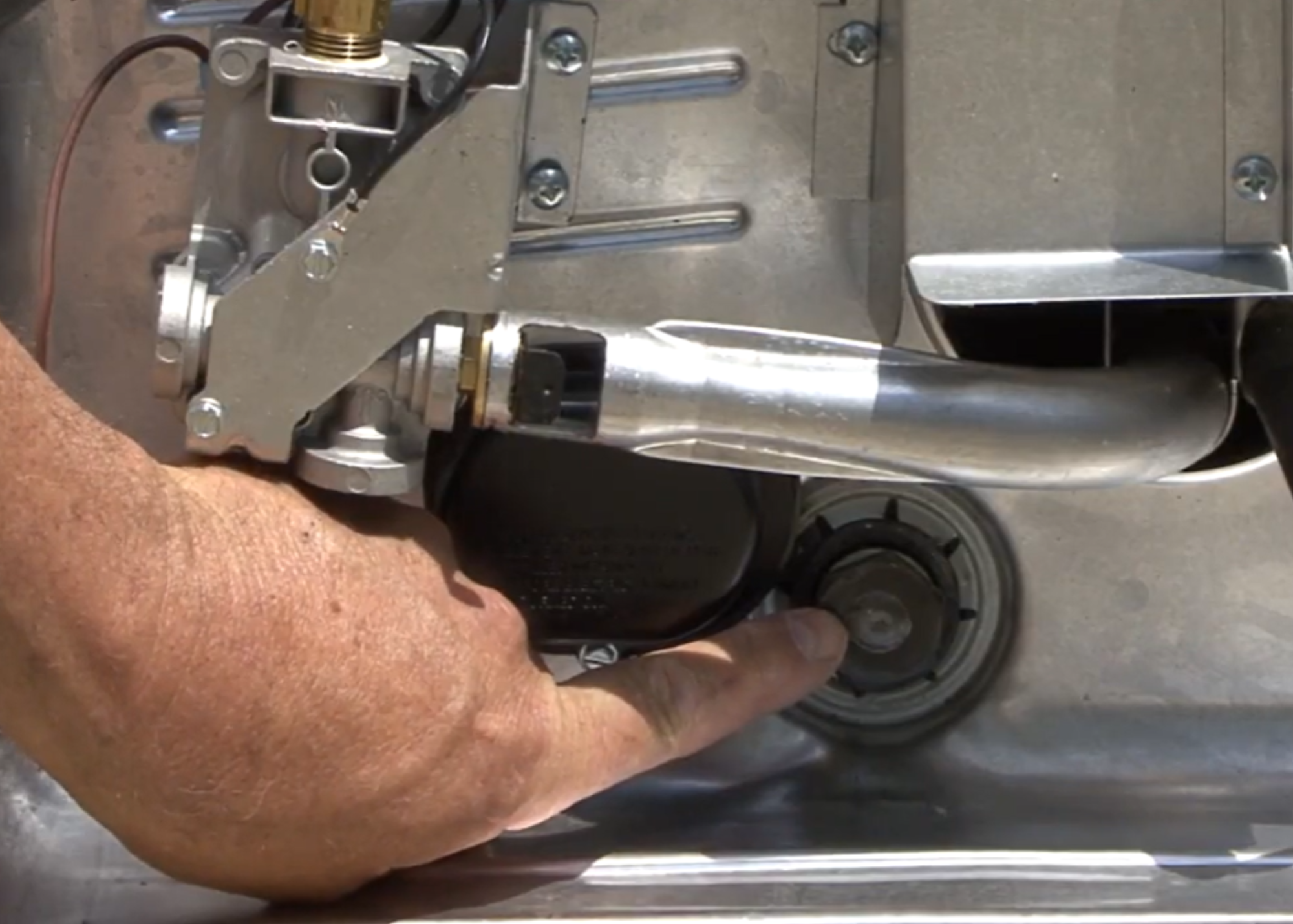
4. Drain and Inspect Tanked Water Heater
Your RV tanked water heater works hard all season long to provide hot showers, clean dishes, and everyday comfort. Before storage or cold-weather travel, a few simple maintenance steps can help protect your Suburban water heater and keep it operating efficiently.
RV Tank Water Heater Maintenance Tips
- Remove the drain plug and allow the tank to empty completely.
- Flush sediment from the tank that may have accumulated during regular use.
- Inspect the anode rod in tanked models for wear and corrosion. Replace a heavily worn anode rod to help protect the tank from internal damage.
- Verify the system is ready for operation next season.
For additional guidance, watch Suburban’s full Water Heater Maintenance Playlist on YouTube, which includes video tutorials covering anode rod replacement, temperature and pressure relief valve function, bypass valve operation, sediment removal, and odor elimination.
5. Protect Your RV from Pests
As temperatures cool, rodents and insects start looking for warm places to shelter. Taking preventive measures now can help keep unwanted guests from damaging your RV during fall and winter.
RV Pest Prevention Tips
- Remove pantry items, snacks, and pet food.
- Thoroughly clean interior surfaces.
- Examine exterior openings, especially around plumbing penetrations, for gaps and signs of pest activity.
- Check around refrigerator vents and water heater compartments, where mice, wasps, and other pests sometimes nest.
- Seal potential pest entry points.
A proactive pest prevention plan can help protect wiring, insulation, and other components from damage. It also reduces the chances of infestations and unpleasant surprises when you’re ready to travel next.
6. Deep Clean Kitchen Appliances
A few extra cleaning tasks after the summer rush can make a big difference when you’re ready to hit the road again. Properly maintained appliances are less likely to develop odors, mold, or performance issues.
RV Kitchen and Appliance Cleaning Checklist
- Empty and clean the refrigerator.
- Clean the microwave and stove thoroughly.
- Inspect cooking surfaces and burners for buildup.
- Vacuum cabinets and drawers.
- Wipe down countertops and kitchen furniture.
Deep cleaning helps reduce the risk of mold, odors, and stubborn residue building up during storage. It also makes spring startup faster, so it’s easier to get your RV ready for your next adventure.
7. Change A/C Filters and Inspect Ventilation Systems
After months of summer travel, your RV’s cooling and ventilation systems have likely collected dust and debris. A quick inspection now can help support cleaner air and contribute to more efficient operation and consistent comfort throughout the RV.
RV Maintenance Tips for Ventilation Systems
- Replace A/C filters; Coleman-Mach recommends replacing A/C filters every 90 days of use.
- Clean the A/C ceiling assembly and remove any dust or buildup on the fins.
- Inspect and clean ceiling fans and rooftop vents to maintain unobstructed airflow.
Well maintained ventilation systems help improve airflow throughout the RV and support better indoor air quality. Regular maintenance can also reduce strain on HVAC components and contribute to more efficient operation.
8. Test Key Appliances Before Cool Weather Arrives
No one wants to discover a malfunctioning furnace on the first cold night of a camping trip or when taking the RV out of storage. Testing major systems now gives you time to address concerns before they impact your plans.
RV Appliance Inspection Checklist
- Test the furnace for proper ignition and airflow.
- Run the water heater and check for unusual noises.
- Inspect and operate the generator, if equipped.
- Address any concerns before colder temperatures arrive.
Testing key appliances before the season changes can help identify issues before they lead to inconvenient breakdowns. It also provides peace of mind that your RV’s climate control systems will be ready when you need them.
9. Perform a Propane System Safety Check
The propane system powers some of your RV’s most important appliances, making routine safety inspections an essential part of end-of-season maintenance. A propane system inspection helps identify potential leaks and other safety concerns before they become hazardous. It also verifies that propane-powered appliances and safety detectors are functioning properly for safe, dependable operation.
RV Propane System Inspection Tips
- Inspect all parts of your propane system for wear or corrosion, including hoses, fittings, and cylinders.
- Have any leaks repaired before storage or use.
- Verify operation of propane-powered appliances.
- Test propane and carbon monoxide detectors.
Suburban recommends that any propane system repairs or component replacements be performed by a licensed RV service technician or other qualified professional.
Prepare Today for Tomorrow’s Adventures
End-of-season maintenance helps you avoid expensive repairs, extends the life of your RV, and ensures you’re ready for your next RV road trip. Whether you’re planning winter camping trips or putting your RV into storage until spring, taking care of these key maintenance tasks now can save significant time and money later.
Schedule maintenance before temperatures drops; use our Service Center Locator to find RV service centers and mobile RV technicians near you to help with end-of-season maintenance. Always consult the owner’s manual for model-specific maintenance requirements.